Pacific Real Estate Investments
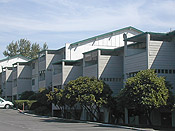 |
This 83 unit apartment property was purchased using a short term bridge loan secured by a free and clear 17 unit property. John coordinated the acquisition of the 83 unit property and subsequently arranged the sale of the 17 unit to fund the exchange which paid off the short term bridge loan. The client completed the tax deferred exchange and now owns an 83 unit property versus the 17 unit. | |
 |
John represented this client by selling their two separate properties and combining the sale proceeds into the purchase of a single larger investment property. This transaction enabled the buyer to focus and simplify management efforts on one location. | |
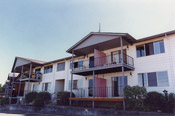 |
This property was owned by three siblings who had different investment objectives. The first sibling exchanged into an all cash apartment purchase, the second sibling obtained a new bank and purchased an apartment property and the third sibling did not conduct an exchange but kept the cash. | |
 |
The Buyer and Seller each had a property they wanted to sell. John facilitated the match of this buyer and seller as they uniquely wanted each other’s property. John Kennedy coordinated the direct exchange between the two owners so that a developer obtained vacant land and a recently retired owner shifted non income producing land into income producing property. | |
 |
The ownership of this property was from the original development. After thirty years of ownership, John assisted this owner in the sale and exchange into separate properties. The buyer of this property also was conducting an exchange. |
 Pacific Real Estate Investments brings exchangers, buyers, and sellers together to transact a wide variety of §1031 tax-deferred exchanges.
Forward Exchange
(Sell property > Buy Replacement)
- Exchanger sells the relinquished property to buyer. The deed is delivered directly from the exchanger to the buyer. Net proceeds from the sale are wired to the qualified intermediary.
- Exchanger has 45 days from the date of the closing on the relinquished property to identify replacement property in writing. Exchanger must close on replacement property(s) and complete the exchange within 180 days from the sale date of the relinquished property.
- Exchanger purchases the replacement property from seller. The qualified intermediary wires the net proceeds to the closing to complete the purchase. The deed is delivered directly from the seller to the exchanger.
Other Types of Exchanges
- REVERSE. Buy property (with separate cash) > Sell exchange property to fund purchase and repay the cash used to fund the purchase.
- IMPROVEMENT. Sell property > Buy Replacement > Keep spending exchange money on renovation/construction. The funds are drawn from the exchange account and paid to the vendors performing renovation/construction work.
- SIMULTANEOUS. Sell and buy on the same day.
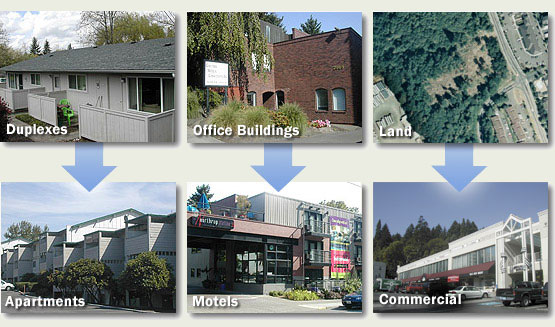
Real estate of all kinds can be exchanged: motels, apartments, houses, plexes, office buildings, developable land. Even unusual forms of real estate, like ranches, timberland, or agricultural land, can be exchanged.
Federal statutes require certain elements for a valid exchange to occur.
John Kennedy works with you to make sure you meet all these requirements.
- Proclaim "intent to exchange".
Upon entering into a purchase and sale agreement, buyer and/or seller must proclaim in writing the intent to exchange. - Replace all equity and debt with same or higher amount.
- Meet critical exchange dates.
Within 45 days from closing on the sale of the relinquished property, seller must designate up to three properties (any of which could be purchased in the "exchange") and complete the form provided by the qualified intermediary.
Within 180 days from closing on the sale of the relinquished property, replacement property must be acquired. - Use a Qualified Intermediary.
Although a Qualified Intermediary handles the exchange documentation, a traditional escrow company works closely on the exchange to accommodate the proper flow of both documents and wire transfer of funds. - Do not have constructive receipt of any exchange funds.